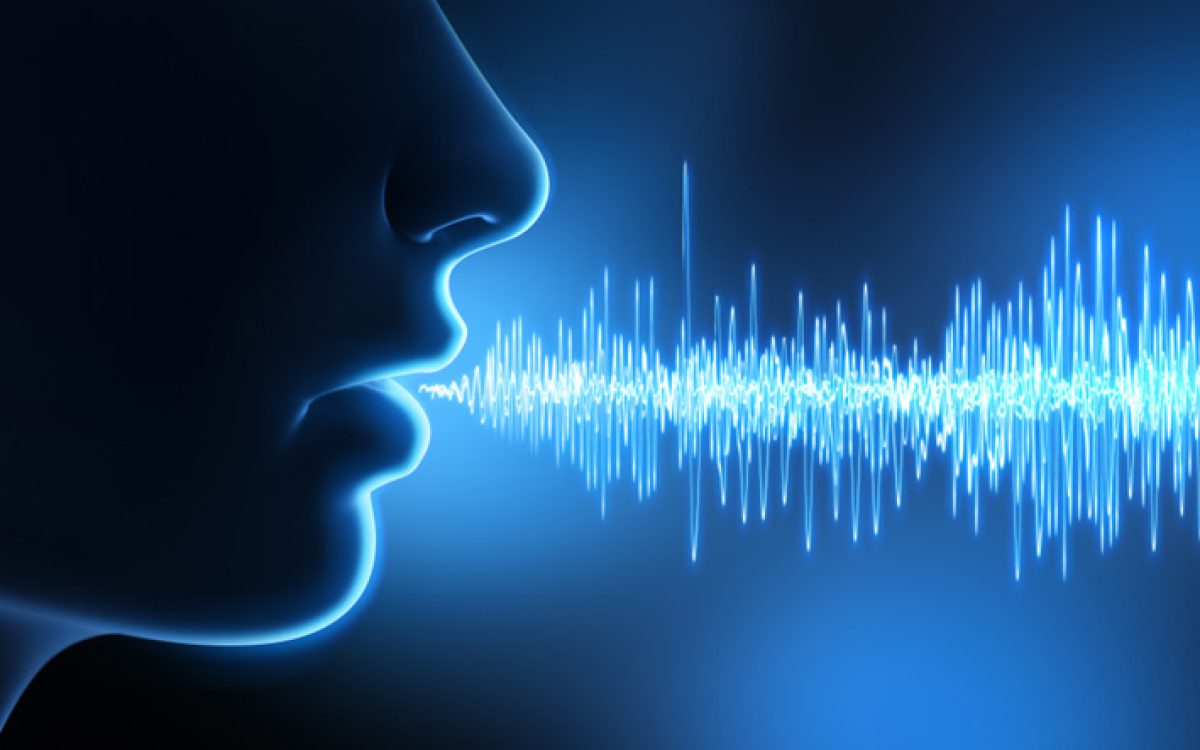
Learn what sound is, how it is produced, and how vibrations create sound waves in air, water, and solids. A simple, scientific guide for beginners.
What Is Sound and How Is It Produced? A Complete Beginner’s Guide
Sound is a part of everyday life — we hear it when we speak, when music plays, when the wind blows, or when a door closes. Yet most people have never stopped to ask one simple question:
What exactly is sound, and how is it produced?
This article gives you the clearest possible explanation. Whether you’re a student, a curious reader, or someone exploring the connection between physics and spirituality, you will understand sound from its origin to the moment it reaches your ears.
Let’s begin with the true essence of sound: vibration.
1. What Is Sound? (Simple Definition)
The simplest and most accurate definition is:
Sound is a vibration that travels through a medium (air, water, or solid) as a wave.
Sound does not exist unless something vibrates.
When an object vibrates, it pushes and pulls the particles around it. These particles transfer the movement to the next particles, forming a chain reaction called a sound wave.
Important notes:
Sound needs matter to travel.
Sound is a mechanical wave (it requires a medium).
Sound is a form of energy, not matter.
This means sound cannot travel through a vacuum.
In space, sound does not exist.
2. How Sound Is Produced: Step-by-Step Explanation
Everything starts with a vibration.
Here’s the exact sequence:
1. An object vibrates.
Examples:
Guitar string
Speaker cone
Vocal cords
Drum skin
2. Vibrations push air particles, creating pressure changes.
These changes produce:
Compression (particles pushed together)
Rarefaction (particles pulled apart)
3. Compressions and rarefactions create a wave pattern.
This is the sound wave.
4. The wave travels outward through the medium.
5. The wave reaches your ear, where it becomes sound you can hear.
So the chain is:
Vibration → Wave → Ear → Brain → Perception of sound
3. The Three Requirements for Sound Production
Sound can only exist if three things are present:
1. A vibrating source
Nothing vibrates → no sound.
2. A medium (air, water, or solid)
No particles → no sound transmission.
3. A receiver (ear, microphone, etc.)
Without a receiver, sound still exists but is not detected.
4. Sound Waves: The True Shape of Sound
Sound waves are longitudinal waves — meaning the particles move in the same direction that the wave travels.
Think of a slinky toy being pushed and pulled.
That is how sound moves.
Wave features include:
Frequency
Amplitude
Wavelength
Speed
These properties determine how sound behaves and how we perceive it.
5. Frequency: Why Sounds Are High or Low
Frequency is the number of vibrations per second (in Hertz or Hz).
High frequency → high pitch (flute, whistle).
Low frequency → low pitch (bass, thunder).
Humans hear roughly 20 Hz – 20,000 Hz.
Animals perceive far beyond that:
Bats and dolphins hear extremely high frequencies.
Elephants and whales communicate with very low ones.
Frequency is essential in music, communication, and even spiritual practices like chanting or sound healing.
6. Amplitude: Why Sounds Are Loud or Soft
Amplitude is the strength of the wave — the size of the vibration.
High amplitude → loud sound
Low amplitude → soft sound
Amplitude is measured in decibels (dB).
Examples:
Whisper: ~20 dB
Normal conversation: ~60 dB
Rock concert: 110–120 dB
Amplitude is connected to energy: stronger vibration = more energy.
7. Timbre: What Makes a Piano Sound Different from a Guitar
Even when two instruments play the same note, they sound different.
This difference is called timbre.
Timbre depends on:
Material
Shape
Harmonics
Resonance
It’s what gives sound its “color.”
8. How Humans Produce Sound
The human voice is a perfect example of vibration converting into sound.
1. Air from the lungs moves upward.
2. It passes through the vocal cords.
3. The vocal cords vibrate.
4. Mouth, tongue, jaw, and nose shape the sound.
5. The sound becomes speech.
Vocal cords can vibrate hundreds of times per second, creating different tones and pitches.
9. How Sound Is Produced in Instruments
Every instrument creates sound through vibration, but the source of the vibration differs.
Strings (guitar, violin, piano)
Strings vibrate when plucked, struck, or bowed.
Winds (flute, saxophone, clarinet)
Air vibrates inside a tube.
Percussion (drums, cymbals)
A surface vibrates when struck.
Electronic instruments
Electronic oscillators generate controlled vibrations.
In every case, vibration → wave → sound.
10. How Sound Moves Through Different Materials
Sound behaves differently depending on the medium.
Air:
Normal speed, around 343 m/s.
Water:
About 4x faster.
Solids:
Fastest (up to 15x faster than air**).
Why?
Because particles are closer together in water and solids, making vibration transfer easier.
11. Why Sound Cannot Travel in Space
Space has no air, no particles, no matter.
No matter = no medium
No medium = no vibration transfer
No vibration transfer = no sound
This is why astronauts use radio communication, not voice.
12. How We Hear Sound: The Journey to the Brain
The ear is a sophisticated sound decoder.
Outer Ear:
Collects sound waves.
Middle Ear:
Three tiny bones (hammer, anvil, stirrup) amplify the vibrations.
Inner Ear:
The cochlea uses hair cells to convert vibrations into electrical signals.
Brain:
Interprets signals as sound.
Your brain doesn’t just “hear” sound — it gives it meaning.
13. When Science Meets Spirituality: The Deeper Side of Sound
Even though this is a physics-based article, there is a natural and powerful connection between sound and spirituality.
Ancient traditions understood sound as:
A form of vibrational energy
A tool for healing and resonance
A bridge to altered states of consciousness
A method for balancing the mind and emotions
Examples:
“Om” mantra → believed to be the sound of creation
Tibetan singing bowls → vibrational therapy
Solfeggio frequencies → emotional alignment
Chanting and mantra meditation → nervous system regulation
This creates a perfect bridge for internal links on your blog.
14. Everyday Examples of How Sound Is Produced
Clapping hands
Your palms vibrate, compressing the air.
A speaker playing music
The speaker cone vibrates rapidly.
A car engine
Combustion creates vibrations transferred to the air.
Bird singing
Vocal membranes vibrate to produce melody.
Footsteps
The ground vibrates slightly with each step.
All of these follow the same rule: vibration → wave → sound.
15. Summary: The Complete Concept
Here is the entire process in one sentence:
Sound is produced when an object vibrates, creating waves that travel through air, water, or solids until they reach a receiver like the human ear.
Simple, elegant, universal.