Discover how VR Meditation can reduce stress, deepen focus, and make mindfulness easier than ever. A practical guide to virtual reality mindfulness.
What Is VR Meditation and Why Is It Growing So Fast?
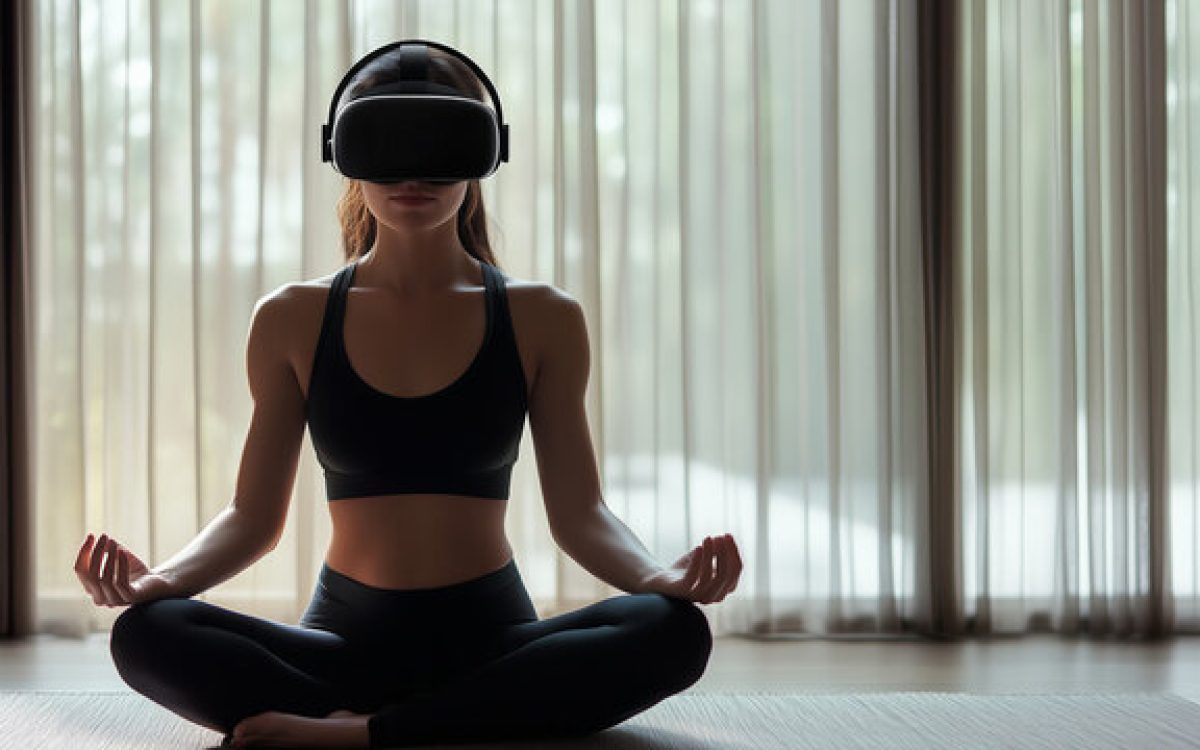
VR meditation is the practice of using virtual reality technology to enter immersive, calming environments that help you relax, focus, and meditate with fewer distractions. Instead of closing your eyes and imagining a peaceful place, VR places you inside one.
Picture this:
You’re standing on a quiet beach at sunrise.
The waves move in gentle rhythm with your breath.
A soothing voice guides you.
Distractions disappear.
Your mind finally relaxes.
That’s VR meditation.
It’s not replacing traditional meditation — it’s supporting it, especially for people who struggle with:
a busy mind
stress
anxiety
racing thoughts
difficulty visualizing
city noise
lack of time
VR offers a shortcut into a meditative state by immersing the senses instantly.
How VR Meditation Works: A Simple Explanation
VR meditation combines three elements:
Immersive visuals — nature scenes, zen temples, peaceful mountains, cosmic spaces
3D spatial audio — calming soundscapes, guided meditations, breathing cues
Interactive mindfulness tools — floating visual breath guides, focus points, intention prompts
The brain responds to virtual environments as if they were real.
This engages relaxation systems quickly and helps beginners meditate more effectively.
Why VR Meditation Is So Powerful (Backed by Psychology)
Traditional meditation is powerful — but challenging.
Many people give up because they “can’t stop thinking.”
VR changes the experience by:
lowering the entry barrier
reducing internal resistance
creating an instant sense of presence
blocking external noise
stimulating the parasympathetic nervous system
engaging attention through visual cues
Studies show that VR-based relaxation can:
reduce anxiety
improve emotional regulation
enhance mindfulness
improve sleep quality
increase consistency in meditation practice
boost mood and mental clarity
It works because the brain believes the environment is real — so the body naturally relaxes.
Top Benefits of VR Meditation
VR meditation offers unique advantages that traditional meditation sometimes struggles to provide.
Immediate Calm
Your brain calms faster because the visuals and audio take over your senses.
Better Focus
The immersive experience removes distractions and helps you stay engaged.
Reduced Overthinking
Many people find it easier to follow breathing rhythms when guided visually.
Consistency and Motivation
Gamified tools, progress tracking, and variety make people meditate more regularly.
Enhanced Emotional Healing
VR is especially helpful for people dealing with anxiety, grief, or burnout.
Accessibility for All Levels
Whether you’re a beginner or an experienced meditator, VR adapts to your needs.
Who Can Benefit the Most From VR Meditation?
VR meditation is ideal for:
beginners who struggle with traditional meditation
people living in busy cities
individuals with anxiety or stress
those who enjoy visual or sensory learning
people who want to deepen spiritual practices
individuals with ADHD who need structure
busy professionals who want quick relaxation
anyone seeking emotional balance
Even experienced meditators use VR to deepen focus and expand awareness.
Popular Types of VR Meditation Experiences
Nature Immersion Meditations
Teleport to beaches, mountains, forests, waterfalls, or desert dunes.
Guided Breathwork Sessions
Visual cues show you when to inhale, exhale, pause, and relax.
Sound Bath VR Sessions
Surround-sound crystal bowls, Tibetan bowls, chimes, and cosmic waves.
Chakra and Energy Balancing
Virtual color therapy, guided visualization, energy field alignment.
VR Mindfulness Courses
Step-by-step programs with goal tracking.
Sleep and Deep Relaxation Journeys
Soft landscapes, slow-moving visuals, nighttime scenes.
VR Meditation vs. Traditional Meditation: Key Differences
VR meditation doesn’t replace traditional meditation — but they serve different needs.
| Traditional Meditation | VR Meditation |
|---|---|
| Requires self-discipline | Creates instant immersion |
| Demands practice | Beginner-friendly |
| Hard to visualize | Visual cues built-in |
| Mind tends to wander | Focus naturally increases |
| Quiet environment needed | Works anywhere |
| Free | Requires VR equipment |
For many people, VR solves the hardest part of meditation: getting into the right state of mind.
How to Start VR Meditation (Beginner-Friendly Guide)
Starting with VR meditation is easier than it seems.
1. Choose Your Device
You can use:
Meta Quest
HTC Vive
PlayStation VR
Pico VR
Smartphone-based VR headsets (basic but functional)
Choose what fits your budget and comfort.
2. Select a Meditation App
Top VR meditation apps:
TRIPP
Hoame VR
Maloka
Solas VR
CalmPlace VR
NatureTreks VR
Guided Meditation VR
Each has unique environments and programs.
3. Pick a Setting That Matches Your Mood
Examples:
stressed → beach sunset
anxious → calming forest
overwhelmed → cosmic breathing journey
unfocused → mindfulness training room
4. Start With 5–10 Minutes
Short sessions prevent fatigue and set a sustainable routine.
5. Combine VR With Real-Life Mindfulness
Use what you learn in VR to stay mindful throughout the day.
Spiritual Dimensions of VR Meditation
Although VR is technology-driven, it deeply connects to spirituality.
VR meditation can enhance:
emotional presence
energy awareness
inner peace
visualization abilities
chakra focus
intention-setting
gratitude practices
Some spiritual practitioners use VR to:
deepen visualization work
connect with archetypal landscapes
practice guided soul journeys
strengthen intuition
heal emotional blocks through sensory immersion
It merges ancient mindfulness with modern tech in a surprisingly harmonious way.
Potential Challenges and How to Manage Them
Although VR meditation is powerful, a few challenges may arise:
Motion Sickness
Choose still environments and avoid fast movement.
Overstimulation
Start with simple scenes, minimal sound, and slow visuals.
Device Fatigue
Use 10–15 minute sessions instead of long meditations.
Dependency
Balance VR with traditional meditation for best results.
Real-Life Results: What People Report After 4 Weeks of VR Meditation
Most users experience:
calmer mornings
better sleep
improved emotional balance
reduced anxiety
deeper breathing
increased mindfulness
renewed motivation
more consistent meditation habits
Many say VR meditation made them “finally understand” what meditation should feel like.
Is VR Meditation the Future of Mindfulness?
Absolutely — but not because it replaces tradition.
VR meditation is rising because:
people want fast access to calm
stress levels are at an all-time high
technology is becoming more immersive
younger generations prefer guided experiences
the wellness industry is evolving
In the future, VR may include:
biometric feedback
AI-guided emotional meditation
personalized environments
social meditation spaces
therapeutic VR healing rooms
We are heading toward a new era where mindfulness is more immersive, accessible, and intuitive.
Final Reflection: Technology as a Path to Inner Peace
VR meditation is one of the most fascinating blends of technology and spirituality.
It proves that mindfulness can evolve — without losing its essence.
The goal is not to escape reality.
The goal is to make it easier to return to yourself.
You don’t need the perfect environment.
You don’t need absolute silence.
You need only the willingness to begin.
VR simply opens the door — and you walk through it.