Discover how spiritual minimalism can help you simplify your life, reduce anxiety, and reconnect with your true purpose. A practical guide for inner peace.
In an age where most people feel overwhelmed, distracted, and emotionally overloaded, a new wave of spiritual seekers is embracing a profound yet simple philosophy: spiritual minimalism.
Unlike traditional minimalism—which focuses mainly on decluttering physical possessions—spiritual minimalism goes deeper. It focuses on clearing mental, emotional, energetic, and spiritual excess to create space for clarity, peace, intuition, and meaning.
This comprehensive guide will walk you step-by-step through the principles, benefits, practices, and daily applications of spiritual minimalism. By the end, you’ll understand how to simplify your inner world, reconnect with your essence, and build a lifestyle rooted in presence instead of pressure.
What Is Spiritual Minimalism?
Spiritual minimalism is the practice of removing mental, emotional, and energetic clutter to make space for inner peace, purpose, and authenticity. It prioritizes inner simplicity over external perfection.
Where traditional minimalism focuses on:
owning fewer objects
reducing consumption
organizing the home
Spiritual minimalism focuses on:
mental clarity
emotional healing
energetic cleansing
spiritual discipline
intentional living
minimizing internal “noise”
It’s not about how empty your house looks—it’s about how spacious your mind, heart, and energy field feel.
In a world filled with constant notifications, endless spiritual information, and emotional overstimulation, spiritual minimalism has become one of the most necessary paths of modern times.
The Core Principles of Spiritual Minimalism
Spiritual minimalism is built on a few fundamental pillars. Understanding them brings clarity and depth to your practice.
1. Inner simplicity comes first
Living authentically starts with simplifying your inner world—thoughts, emotions, beliefs, and expectations.
This means releasing:
overthinking
self-imposed pressure
people-pleasing
perfectionism
unnecessary worries
2. Energetic decluttering
Just like physical clutter drains your energy, emotional and spiritual clutter weighs down your vibration.
Energetic decluttering includes:
cleansing your aura
grounding practices
releasing toxic attachments
identifying draining environments
healing old emotional wounds
3. Conscious choices and intentions
Spiritual minimalism rejects autopilot living.
Instead, it asks:
“Why am I choosing this?”
“Does this align with my core values?”
“Does this nourish my soul?”
Everything becomes more intentional—relationships, habits, content you consume, spiritual tools you use, and how you spend your time.
4. Less consumption, more connection
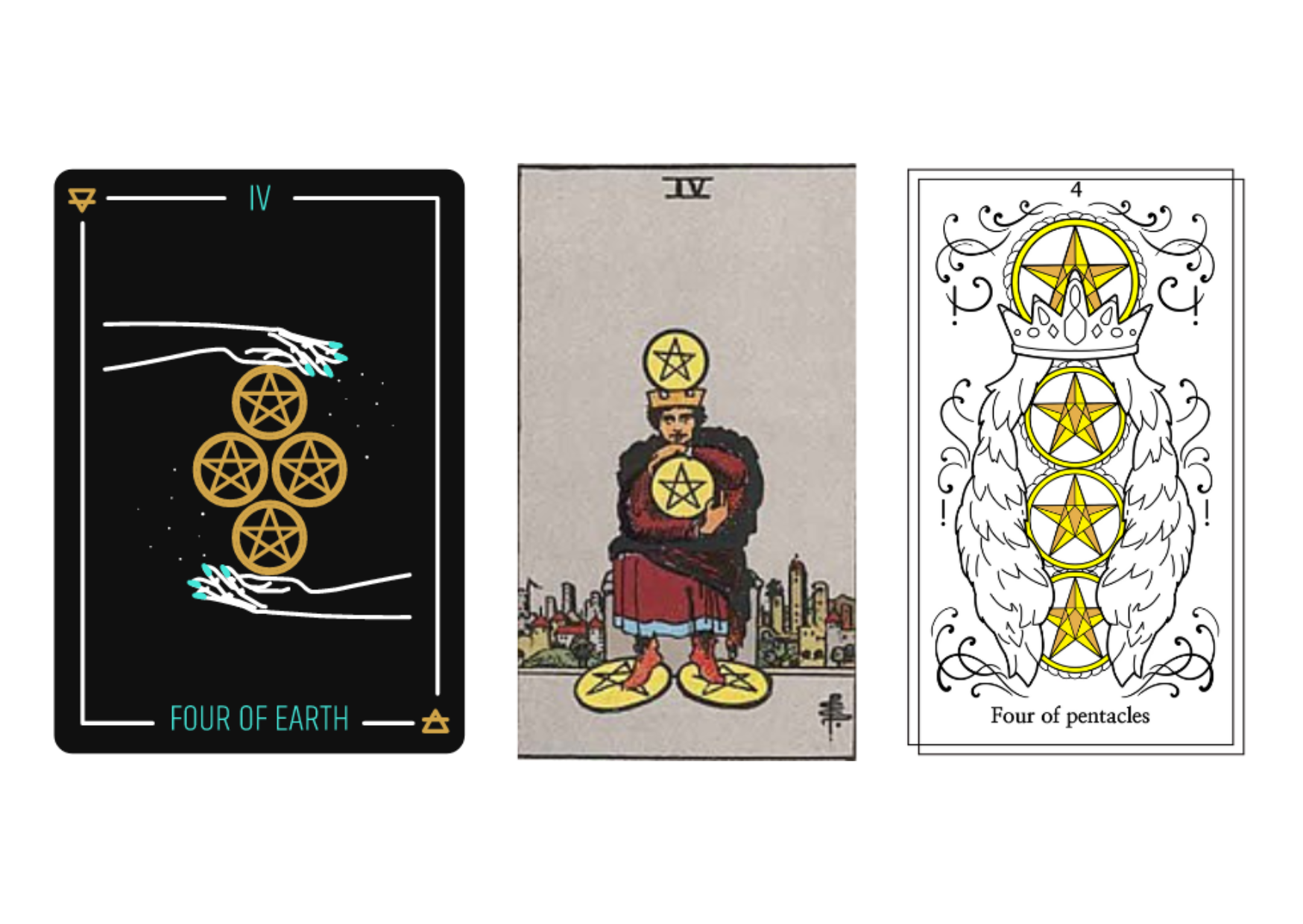
You don’t need 50 crystals, 30 self-help books, or 20 tarot decks.
You need presence, not accumulation.
Minimalism teaches that you don’t need more spiritual tools to become spiritual.
You need clarity, awareness, and practice.
5. Depth over quantity
Modern spirituality often becomes a race: meditation, tarot, astrology, journaling, breathwork, chakras, moon rituals—everything at once.
Spiritual minimalism invites you to:
choose fewer practices
go deeper into each
stay consistent
develop mastery, not noise
How Spiritual Minimalism Differs From Traditional Minimalism
Although interconnected, spiritual minimalism is not the same as “having a minimalist home.” Here’s a clear comparison.
Traditional Minimalism
focuses on physical space
reduces objects
promotes simple aesthetics
encourages lower consumption
creates visual calm
Spiritual Minimalism
focuses on mental and emotional space
reduces spiritual overwhelm
removes internal chaos
dissolves limiting beliefs
creates energetic calm
uses simplicity as a path to consciousness
You can have a minimalist home and still feel spiritually exhausted. You can also have a normal home and still live in spiritual minimalism.
This is an internal practice.
Signs You Need Spiritual Minimalism
Spiritual minimalism often calls people who feel emotionally or mentally overloaded.
Here are the clearest signs it’s time to simplify your inner world:
1. You feel spiritually overwhelmed
You consume tons of spiritual content but don’t feel spiritual growth.
You know concepts but don’t experience transformation.
2. Your mind feels cluttered
Anxiety, overthinking, worry, and overstimulation become normal.
3. You try too many spiritual practices at once
Astrology, tarot, shadow work, meditation, crystals, breathwork—everything started and nothing finished.
4. You feel disconnected from your intuition
Noise drowns the inner voice.
Silence becomes uncomfortable.
5. You feel emotionally drained
Too many emotional responsibilities, toxic relationships, or unresolved trauma.
6. You carry too many expectations
Pressure to evolve, pressure to heal, pressure to be “high vibe.”
7. You crave peace, stillness, or meaning
You feel called to something simpler, quieter, deeper.
Benefits of Spiritual Minimalism
When you simplify your spiritual life, everything becomes clearer.
Some of the most powerful benefits include:
deep mental clarity
higher emotional stability
less anxiety and overstimulation
increased intuition
more meaningful relationships
aligned decision-making
a sense of inner peace and groundedness
spiritual awakening without chaos
better focus on your soul purpose
true presence
In minimalism, space creates possibility.
In spiritual minimalism, space creates awakening.
How to Practice Spiritual Minimalism
Here begins the transformation.
Below is a complete practical framework you can apply starting today.
1. Declutter Your Inner World
Your inner world is your true home.
Start here.
Techniques:
Journaling to release emotional weight
Breathwork for nervous system reset
Meditation to reduce mental noise
Shadow work for unfinished inner business
The goal is to create mental and emotional spaciousness.
2. Reduce Digital Noise
Most spiritual chaos today comes from digital overstimulation.
Reduce:
too much spiritual content
contradictory advice
TikTok “spiritual” overload
comparison to others’ spiritual journeys
Add:
intentional content
mindful consumption
daily moments without screens
Your nervous system will thank you.
3. Simplify Your Energy Field
This is a fundamental part of spiritual minimalism.
Practices:
grounding (feet on earth, breath, presence)
aura cleansing
smoke cleansing (sage, palo santo)
salt baths
sound healing
decluttering your energetic cords
When your energy is clear, your intuition becomes louder.
4. Reorganize Your Spiritual Tools
You don’t need 40 tools—you need the right tools.
Keep only what you actually use:
one tarot deck
a few crystals
one journal
a meditation cushion
a candle or incense
Spiritual accumulation = distraction.
Spiritual minimalism = depth.
5. Choose 1–2 Daily Spiritual Practices
Consistency > Complexity.
Examples:
meditation + journaling
grounding + breathwork
prayer + mindfulness
gratitude + intention setting
One deep practice creates more growth than ten shallow ones.
6. Cultivate Presence
Spiritual minimalism is ultimately a path toward presence.
Practice:
mindful eating
mindful walking
conscious breathing
pausing before reacting
slow mornings
intentional evenings
Presence dissolves suffering.
How to Practice Spiritual Minimalism
Here begins the transformation.
Below is a complete practical framework you can apply starting today.
1. Declutter Your Inner World
Your inner world is your true home.
Start here.
Techniques:
Journaling to release emotional weight
Breathwork for nervous system reset
Meditation to reduce mental noise
Shadow work for unfinished inner business
The goal is to create mental and emotional spaciousness.
2. Reduce Digital Noise
Most spiritual chaos today comes from digital overstimulation.
Reduce:
too much spiritual content
contradictory advice
TikTok “spiritual” overload
comparison to others’ spiritual journeys
Add:
intentional content
mindful consumption
daily moments without screens
Your nervous system will thank you.
3. Simplify Your Energy Field
This is a fundamental part of spiritual minimalism.
Practices:
grounding (feet on earth, breath, presence)
aura cleansing
smoke cleansing (sage, palo santo)
salt baths
sound healing
decluttering your energetic cords
When your energy is clear, your intuition becomes louder.
4. Reorganize Your Spiritual Tools
You don’t need 40 tools—you need the right tools.
Keep only what you actually use:
one tarot deck
a few crystals
one journal
a meditation cushion
a candle or incense
Spiritual accumulation = distraction.
Spiritual minimalism = depth.
5. Choose 1–2 Daily Spiritual Practices
Consistency > Complexity.
Examples:
meditation + journaling
grounding + breathwork
prayer + mindfulness
gratitude + intention setting
One deep practice creates more growth than ten shallow ones.
6. Cultivate Presence
Spiritual minimalism is ultimately a path toward presence.
Practice:
mindful eating
mindful walking
conscious breathing
pausing before reacting
slow mornings
intentional evenings
Presence dissolves suffering.
Spiritual Minimalism at Home
Your environment influences your energy.
A spiritually minimal home supports mental clarity and inner peace.
1. Create a simple altar
One candle + one symbol + one intention.
2. Reduce decorative noise
Keep what aligns with your energy.
3. Create a sacred meditation corner
It can be small—what matters is the energy.
4. Prioritize natural elements
Plants, wood, stones, soft fabrics.
5. Allow space to breathe
Empty space = energetic space.
Spiritual Minimalism in Relationship
Relationships can create either spiritual clarity or spiritual clutter.
1. Set energetic boundaries
You don’t need to carry every emotion.
2. Choose soul-aligned connections
People who support your path—not drain it.
3. Release emotional obligations
Stop overgiving.
Stop fixing others.
Stop carrying guilt.
4. Value quality over quantity
Deep relationships, not many relationships.
5. Cultivate presence in interactions
Listen with awareness.
Speak with intention.
Feel instead of perform.
Spiritual Minimalism in Relationship
Relationships can create either spiritual clarity or spiritual clutter.
1. Set energetic boundaries
You don’t need to carry every emotion.
2. Choose soul-aligned connections
People who support your path—not drain it.
3. Release emotional obligations
Stop overgiving.
Stop fixing others.
Stop carrying guilt.
4. Value quality over quantity
Deep relationships, not many relationships.
5. Cultivate presence in interactions
Listen with awareness.
Speak with intention.
Feel instead of perform.
Spiritual Minimalism and Purpose
When you simplify your inner world, your purpose becomes clearer.
1. Silence reveals your soul’s direction
Purpose isn’t found in noise—it’s found in presence.
2. You make decisions with clarity
Less emotional fog = more aligned choices.
3. You stop chasing and start listening
Purpose emerges naturally when your energy is quiet.
4. You eliminate paths that aren’t yours
When you simplify, anything that isn’t aligned becomes obvious.
Spiritual Minimalism and Purpose
When you simplify your inner world, your purpose becomes clearer.
1. Silence reveals your soul’s direction
Purpose isn’t found in noise—it’s found in presence.
2. You make decisions with clarity
Less emotional fog = more aligned choices.
3. You stop chasing and start listening
Purpose emerges naturally when your energy is quiet.
4. You eliminate paths that aren’t yours
When you simplify, anything that isn’t aligned becomes obvious.
Common Mistakes About Spiritual Minimalism
Many misunderstand this lifestyle. Avoid these traps:
1. Thinking it’s about having no possessions
It has nothing to do with how empty your home looks.
2. Believing it means rejecting spirituality
You’re not “minimizing spirituality”—you’re deepening it.
3. Trying to be perfectly minimal
Perfection kills presence.
4. Confusing minimalism with emotional avoidance
This is not bypassing.
It’s deep inner work.
5. Over-simplifying too fast
Minimalism is a gradual process—not a sudden purge.
Spiritual Minimalism vs. Toxic Positivity
These two concepts get confused, but they are completely different.
Toxic positivity says:
“Ignore your feelings.”
“Just be positive.”
“Don’t feel bad.”
Spiritual minimalism says:
“Feel everything clearly.”
“Release emotional weight.”
“Return to your essence.”
Spiritual minimalism is honest, grounded, emotional, and conscious.
A 7-Day Spiritual Minimalism Challenge
A practical way to start simplifying your inner world.
Day 1 — Declutter Your Mind
10 minutes of journaling:
What mental clutter am I carrying?
Day 2 — Digital Spiritual Detox
Unfollow accounts that drain you.
Silence notifications.
Day 3 — Emotional Release
Write a letter you don’t need to send.
Cry if needed.
Breathe deeply.
Day 4 — Cleanse Your Energy Field
Take a salt bath.
Burn incense.
Ground in nature.
Day 5 — Simplify Your Spiritual Tools
Keep only what resonates today.
Day 6 — Practice Presence
Do everything today 30% slower.
Day 7 — Set Your Soul Intention
Ask:
What do I want to feel, create, and experience going forward?
Final Thoughts: The Beauty of Living With Less Noise
Spiritual minimalism is more than a trend—it’s a return to ourselves.
When you remove noise, clutter, pressure, comparison, and emotional weight, you finally hear the voice of your soul.
This path is not about reducing your life.
It’s about expanding your consciousness.
More presence.
More purpose.
More intuition.
More peace.
More connection.
Less of everything that pulls you away from your essence.
If you give yourself permission to live with less inner noise, you’ll naturally live with more truth.